
Today, almost every business depends on software in some way. From mobile apps and websites to CRM systems and automation platforms, software has become a major part of daily business operations. But many companies still don’t fully understand how the software development process actually works.
Some think software development is only about coding. In reality, professional software development involves planning, research, design, testing, deployment, and ongoing improvements. Every successful application goes through multiple stages before it becomes ready for users.
Understanding the software development process is important for businesses because it helps avoid delays, budget issues, poor user experience, and communication problems. Whether you are planning to build a mobile app, a web platform, or enterprise software, knowing how the process works can help you make better decisions and achieve better results.
In this guide, we’ll explain how software development works step by step, what happens during each stage, and why businesses work with an experienced software development company in Mumbai to build scalable and reliable digital solutions.
What Is Software Development?
Software development is the process of designing, building, testing, and maintaining digital applications or systems that solve specific business or user problems. It includes everything from planning the project idea to launching the final product and improving it over time.
Software can be built for different purposes. Some businesses need internal systems to manage operations, while others build customer-facing applications like eCommerce platforms, mobile apps, booking systems, or SaaS products.
Modern software development is not limited to large enterprises anymore. Businesses of all sizes now invest in digital solutions to improve customer experience, automate tasks, increase productivity, and scale operations faster.
Different types of software development include:
- Web application development
- Mobile app development
- Enterprise software development
- CRM and ERP systems
- SaaS platform development
- Automation software solutions
Many businesses now prefer custom software development because it allows them to create solutions based on their exact workflow, customer needs, and long-term business goals.

Why Businesses Need Software Development
Businesses today operate in a highly competitive environment. Manual processes slow down operations, create errors, and make scaling difficult. Software helps businesses work faster, improve communication, and deliver better experiences to customers.
For example, a retail company may need inventory management software, while a logistics company may require real-time tracking systems. Healthcare businesses may need secure patient management platforms, and educational institutions may invest in eLearning applications.
Custom software gives businesses more flexibility because the solution is designed around their operations instead of forcing them to adjust to generic tools.
Professional software development also helps businesses:
- automate repetitive tasks
- manage customer data efficiently
- improve team collaboration
- reduce operational costs
- scale services more easily
- improve reporting and analytics
Businesses looking for scalable digital platforms often work with an experienced enterprise software development company to build systems that support long-term growth.
Why Understanding the Software Development Process Matters
Many software projects fail because businesses start development without understanding the process. When expectations are unclear, timelines become difficult to manage, and projects often face delays or budget issues.
Understanding how software development works helps businesses:
- communicate better with developers
- estimate realistic timelines
- understand project costs
- reduce development risks
- make informed technical decisions
- improve project planning
A structured software development process creates clarity from the beginning. It helps developers, designers, and business owners work toward the same goal.
This is why many companies first invest in software consulting services before starting development. Proper planning reduces unnecessary revisions later in the project.
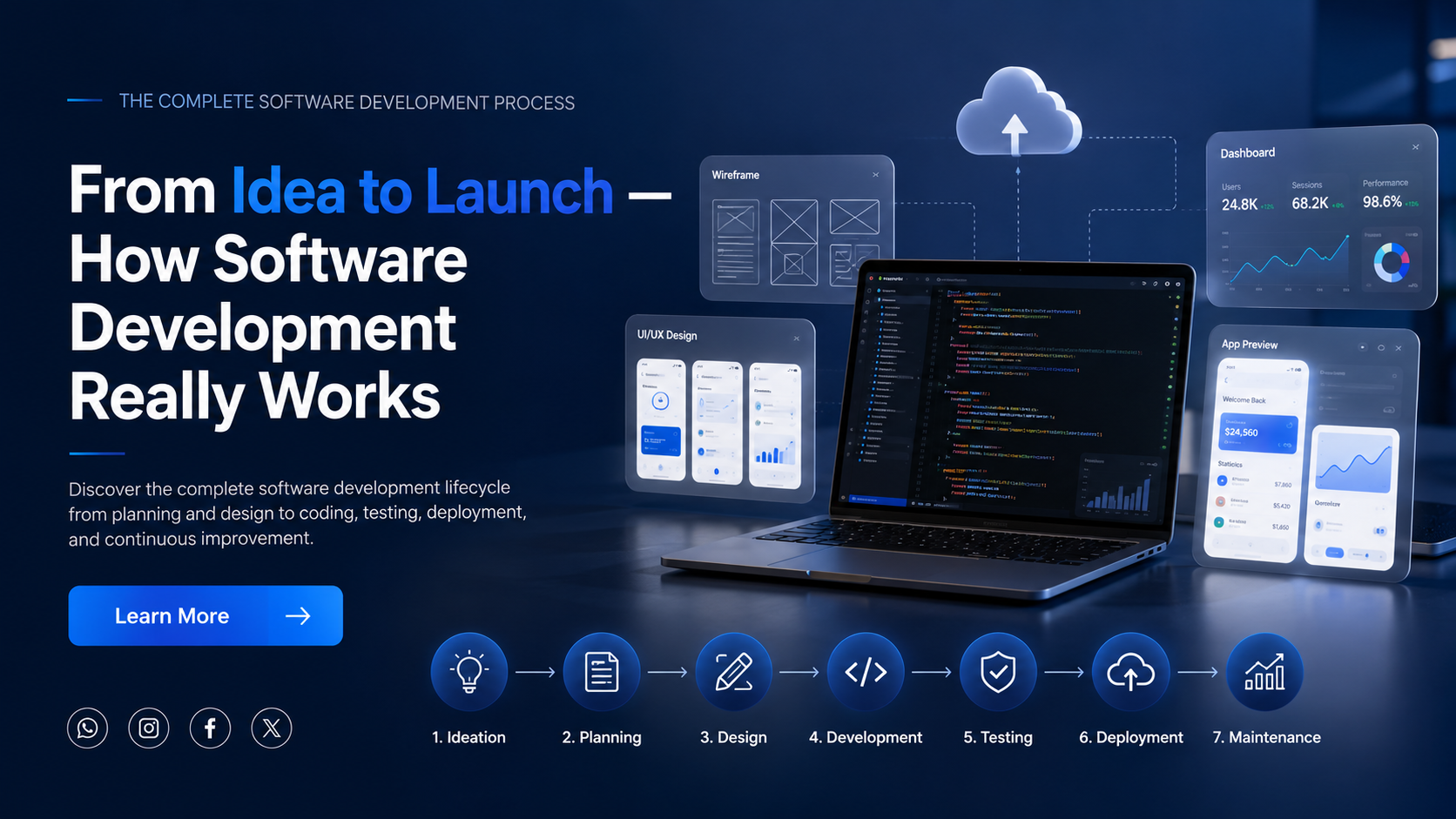
How Software Development Works Step by Step
Every successful software product follows a structured workflow. While different companies may use different methodologies, the overall process usually follows similar stages.
Step 1: Requirement Gathering and Discovery
The first stage of the software development process is understanding the business goals and project requirements.
During this stage, developers and business stakeholders discuss:
- project objectives
- target audience
- required features
- business challenges
- competitor analysis
- technical feasibility
This phase is extremely important because unclear requirements often create problems later during development.
For example, if a business wants to build an eCommerce platform, the development team needs to understand payment systems, inventory workflows, shipping processes, user roles, and future scalability requirements before writing any code.
Professional development teams also analyze how the software will integrate with existing systems and what technologies will support future growth.
Step 2: Planning and Project Roadmap
Once requirements are finalized, the planning stage begins.
This phase includes:
- project timeline estimation
- budget planning
- feature prioritization
- sprint planning
- technology stack selection
- workflow documentation
The planning stage creates a roadmap for the entire project. It helps businesses understand how development will progress and what resources are required.
Choosing the right technologies is also critical at this stage. Businesses building scalable applications often review modern frameworks and tools through a dedicated technology stack and development technologies strategy before development begins.
Good planning helps reduce delays, improve communication, and avoid unexpected development challenges later.
Step 3: UI/UX Design Process
Before developers start coding, designers create the visual structure and user experience of the application.
This process usually includes:
- wireframes
- user flow planning
- interface design
- clickable prototypes
- responsiveness planning
The goal of UI/UX design is not only to make software look attractive but also to ensure users can navigate the platform easily.
A poorly designed application can frustrate users even if the backend functionality is strong. That’s why businesses invest in professional UI/UX design services to improve usability and customer experience.
For example, a food delivery app must make browsing restaurants, adding items to the cart, and placing orders simple and fast. Good design improves customer satisfaction and increases engagement.
Step 4: Frontend and Backend Development
This is the stage where the actual coding process begins.
Software development is generally divided into two major parts:
Frontend Development
Frontend development focuses on the user-facing side of the application. This includes:
- layouts
- buttons
- navigation
- forms
- dashboards
- responsive design
Frontend developers ensure the application works smoothly across devices and screen sizes.
Businesses building scalable digital platforms often invest in professional web application development solutions to create fast and responsive user experiences.
Backend Development
Backend development handles the server-side functionality of the application. This includes:
- databases
- APIs
- authentication systems
- business logic
- cloud infrastructure
- data processing
For example, when a customer places an order on an eCommerce website, backend systems process payments, manage inventory, store customer information, and generate order confirmations.
Businesses building scalable customer platforms often work with a reliable web development company in Mumbai to develop secure and high-performing applications.
Step 5: Software Testing and Quality Assurance
Once development is completed, the software enters the testing phase.
Testing is essential because even small bugs can affect user experience and business operations.
Quality assurance teams perform different types of testing, including:
- functionality testing
- performance testing
- security testing
- compatibility testing
- usability testing
The goal is to identify and fix issues before the software becomes available to users.
Testing also ensures the application works smoothly across devices, browsers, and operating systems.
Skipping proper testing can lead to poor customer experience, security risks, and business losses. This is why ongoing software support and maintenance services are important even after launch.

Step 6: Deployment and Launch
After testing is completed, the software is deployed to a live production environment.
This process may include:
- server configuration
- cloud deployment
- domain setup
- database migration
- monitoring systems
- performance optimization
Deployment does not mean the project is completely finished. The development team continues monitoring the software to ensure everything works properly after launch.
Modern software applications often use cloud infrastructure because it improves scalability, security, and performance.
Businesses building scalable SaaS platforms usually work with experienced SaaS product development companies to manage cloud-based application deployment efficiently.
Step 7: Maintenance and Future Updates
Software development is an ongoing process. After launch, businesses continue improving their applications based on customer feedback, performance analysis, and changing market needs.
Post-launch maintenance may include:
- bug fixes
- feature upgrades
- security updates
- performance improvements
- scalability enhancements
Successful applications continue evolving over time.
For example, mobile apps regularly release updates to improve functionality and user experience. Businesses investing in long-term digital growth often combine development with ongoing software maintenance services to keep systems secure and optimized.
What Is the Software Development Lifecycle (SDLC)?
The Software Development Lifecycle, commonly called SDLC, is a structured framework used to manage software projects efficiently.
The SDLC process usually includes:
- Requirement gathering
- Planning
- Design
- Development
- Testing
- Deployment
- Maintenance
Following a proper software development lifecycle helps teams maintain consistency, improve quality, reduce risks, and manage projects more effectively.
Businesses that understand the SDLC process are usually better prepared when working with development teams because they know what to expect at every stage.
Popular Software Development Methodologies
Different projects use different development methodologies depending on business goals and project complexity.
Agile Development
Agile is one of the most popular software development methodologies today.
Instead of building the entire software at once, Agile divides the project into smaller phases called sprints. Teams continuously improve the product based on feedback and testing.
Agile development offers:
- faster improvements
- better flexibility
- continuous feedback
- improved collaboration
This approach is widely used in modern mobile app development services because mobile applications often require regular updates and feature enhancements.
Waterfall Model
The Waterfall model follows a linear development process where each stage is completed before moving to the next one.
This approach works well for projects with fixed requirements and limited changes.
DevOps Approach
DevOps focuses on improving collaboration between development and operations teams.
It helps businesses automate deployment, improve monitoring, and release updates faster.
Modern cloud-based software solutions increasingly use DevOps practices to improve scalability and operational efficiency.
Common Challenges in Software Development
Software development can be complex, especially for large-scale applications.
Some common challenges include:
- unclear requirements
- changing business expectations
- poor communication
- scalability limitations
- security risks
- technical debt
- integration issues
Most software problems actually begin during the planning stage rather than the coding stage.
This is why experienced development teams focus heavily on research, planning, architecture, and communication before development starts.
Businesses building industry-specific platforms often work with specialized teams such as healthcare software development experts or real estate software development companies to reduce industry-specific challenges.

How Long Does Software Development Take?
Software development timelines depend on multiple factors, including project complexity, features, integrations, and business requirements.
A simple business website may take a few weeks, while enterprise software platforms can take several months.
Some major factors affecting development timelines include:
- project scope
- custom features
- third-party integrations
- UI/UX complexity
- testing requirements
- scalability needs
- revision cycles
Businesses should avoid rushing development because poor planning often creates bigger problems later.
A structured process helps ensure better quality, scalability, and long-term performance.
How to Choose the Right Software Development Company
Choosing the right development partner is one of the most important decisions for any software project.
Businesses should evaluate:
- technical expertise
- communication process
- portfolio quality
- industry experience
- post-launch support
- scalability capabilities
The best software companies focus on solving business problems instead of simply writing code.
Before hiring a development partner, businesses should review real software development case studies to understand how previous projects were executed and what results were achieved.
Future Trends in Software Development
Software development continues evolving rapidly as businesses adopt new technologies and digital strategies.
Some important trends shaping the future include:
- AI-powered applications
- automation solutions
- cloud-native development
- low-code platforms
- advanced cybersecurity
- scalable SaaS systems
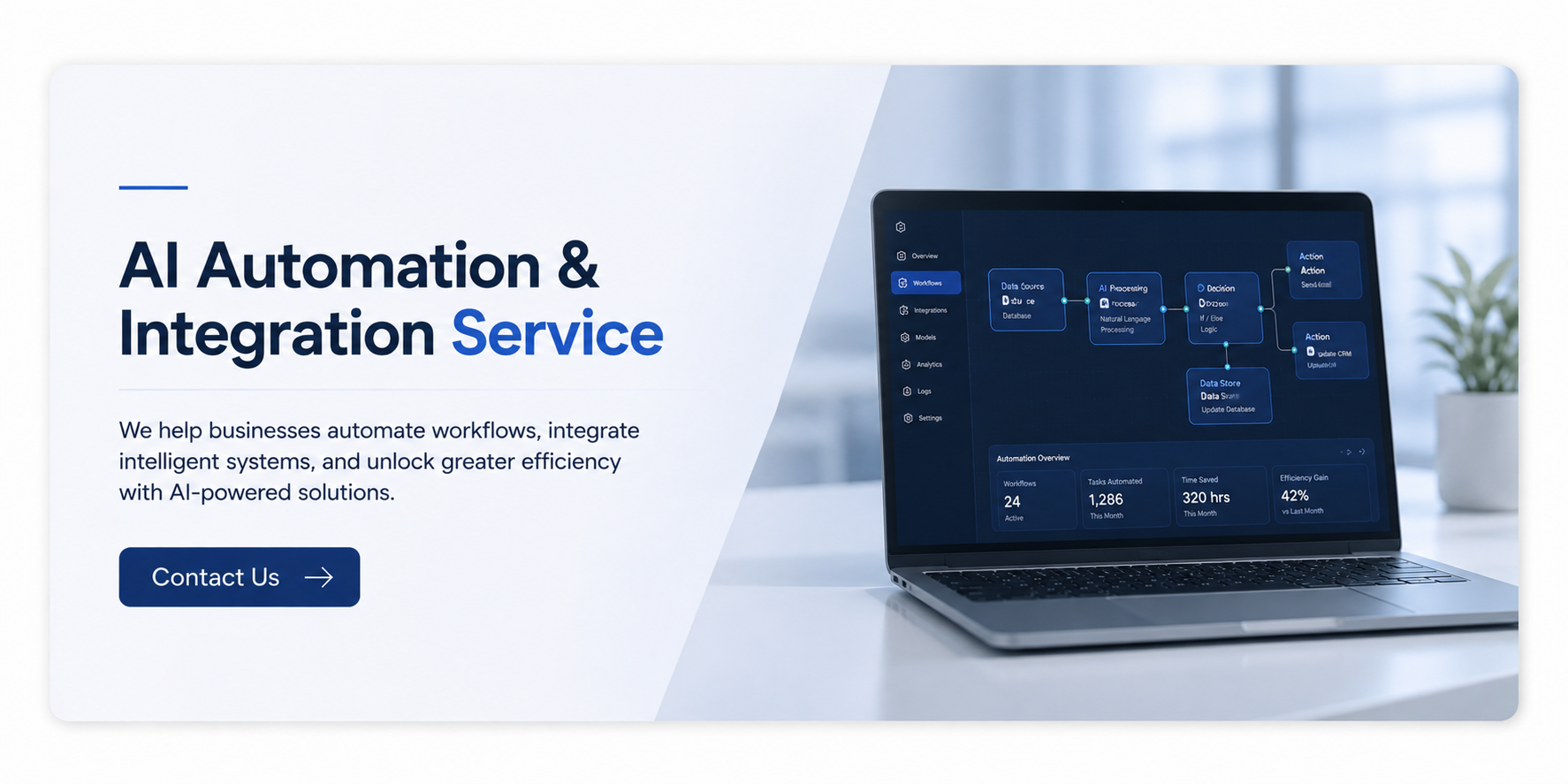
Businesses increasingly invest in AI integration and automation services to improve efficiency, automate workflows, and deliver smarter customer experiences.
Final Thoughts
Software development is much more than coding. It is a structured process that combines planning, design, development, testing, deployment, and continuous improvement.
Understanding how software development works helps businesses make smarter decisions, reduce project risks, and build better digital products.
Whether you are planning a mobile application, enterprise platform, CRM system, or SaaS product, working with an experienced development team can significantly improve project success.
Businesses looking for scalable and future-ready digital solutions often partner with a trusted software development company that understands both technology and business growth.
Frequently Asked Questions
What is the software development process?
The software development process is a structured workflow used to design, build, test, deploy, and maintain software applications.
What are the stages of software development?
The main stages include requirement gathering, planning, design, development, testing, deployment, and maintenance.
What is SDLC in software development?
SDLC stands for Software Development Lifecycle. It is a framework used to manage software projects efficiently from planning to maintenance.
Why is software testing important?
Software testing helps identify bugs, security issues, and performance problems before the application is released to users.
How long does software development take?
Development timelines vary depending on project complexity, features, integrations, and business requirements.
What is Agile software development?
Agile is a development methodology that divides projects into smaller phases called sprints, allowing continuous improvements and flexibility.
Why do businesses prefer custom software development?
Custom software is designed specifically for business workflows, making it more scalable, efficient, and flexible compared to generic solutions.